
A weld is easy to ignore right up until it fails. Nobody inspects a gate hinge or a fence post while it’s working fine. It’s only after a joint gives out, mid-storm or under load, that anyone stops to ask what went wrong. More often than not, the answer traces back to how that weld was done in the first place, not the metal, not the design, but the actual joint holding everything together.
That’s worth knowing before you ever hire someone to weld something for you. A properly executed weld and a poorly executed one can look similar when the work is first completed. The difference may only become apparent later as the joint is exposed to repeated loads, weather, or everyday use.
Why Weld Quality Matters More Than People Realize
The strength and performance of a welded joint depend on the materials, joint design, welding process, and quality of the workmanship. A welding defect may not always be obvious immediately. Problems can become apparent later as a joint experiences repeated loads, weather, or regular use. By the time any of that becomes visible, the fix can cost more than doing the job correctly would have in the first place.
Solid welding behaves differently. It handles years of stress, weather, and daily wear when the materials, joint design, welding process, and fabrication are appropriate for the application. There’s nothing dramatic about it. It just holds.
The Hidden Cost of Cutting Corners
Rushed welding jobs tend to skip the steps nobody can see from the outside: proper joint prep, controlled heat, and the correct filler material for the metal and application. None of that shows up at a glance. It shows up later, usually at the worst possible moment. A gate that buckles in high wind or equipment that fails under load isn’t just an annoyance. It puts people or property at risk.
What Separates Skilled Welding from the Rest
Not every welder approaches a project the same way, and the gap in outcomes usually traces back to a few practical habits.
Proper Technique and Equipment
Metal type and thickness dictate the method. Different welding methods suit different metals, thicknesses, project requirements, and working conditions. The appropriate process depends on the application and the materials being joined. Apply the wrong method, or apply the right one carelessly, and the welded joint can be compromised even if the surface looks clean.
Material Selection
Joint performance depends on the base material, filler material, joint design, preparation, and welding process. Base metal, filler rod, and any protective coating all affect how well the finished piece resists corrosion and fatigue over time. Cutting costs on materials or preparation can surface as a problem years later, long after the invoice is forgotten.
Attention to Detail During Fabrication
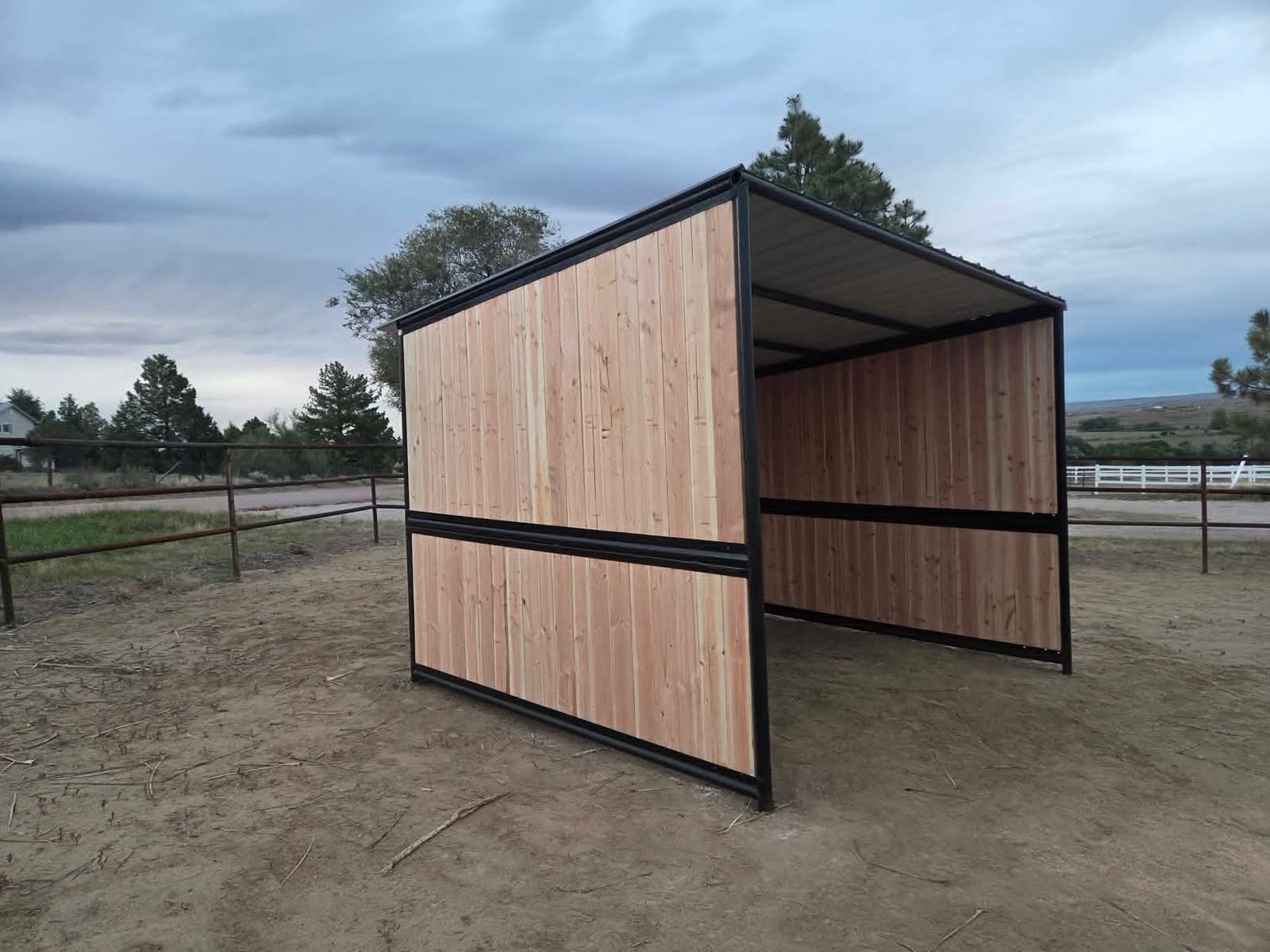
Fencing, lean-tos, equipment repairs, and custom metal work — none of it is just about joining metal. It takes accurate measurement, correct alignment, and a final product shaped for the site it’s going on, not a generic template. Rushed work has a way of showing itself in small ways: an uneven gap here, an inconsistent bead there, a joint that’s slightly off. Small issues like these can affect the fit, function, and overall performance of the finished project.
“Solid welding behaves differently. It handles years of stress, weather, and daily wear when the materials, joint design, and workmanship are done properly. It just holds.”
How Quality Welding Pays Off Long-Term
A weak weld can eventually crack or fail under stress, turning a minor job into an expensive overhaul. Doing it right the first time helps keep equipment and structures reliable while reducing avoidable repair work.
Fewer Repairs, Lower Costs
A joint done right the first time means fewer callbacks. Quality work may require more time and attention during preparation, fabrication, and finishing, but that investment can help reduce avoidable repairs and replacements over time. Less maintenance, fewer replacements, and less downtime waiting on repairs can all make a difference.
Better Performance Under Stress
Equipment used daily and fencing exposed to years of weather can perform more reliably when the underlying welds and fabrication are appropriate for the application. That difference matters most when a project is subjected to heavy use, changing weather conditions, or repeated loads.
A Safer End Result
Longevity is only part of the picture. Safety is the other. A weld that gives way under pressure can put people, animals, or equipment in harm’s way. Getting the welding right from the start is one of the more straightforward ways to help reduce avoidable risks associated with a failed joint.
Choosing the Right Welding Partner
Because so much of this comes down to skill and attention to detail, the person doing the work matters as much as the materials they use. Look for a welder who takes the time to understand the project, walks you through the process, and stands behind the finished work.
That’s the approach behind Rusty Bucket Welding LLC. Built on craftsmanship and straightforward service, the team handles custom welding, metal fabrication, fencing, lean-to construction, and equipment repairs with the kind of care that shows once the work is done. The focus is on practical solutions, quality craftsmanship, and work suited to the specific project, rather than a one-size-fits-all approach.